The Scientific Basis of Bed Bug Heat Treatment: An In-Depth Overview
Heat treatment stands out as one of the most effective methods for eliminating bed bugs. By raising temperatures to between 120°F and 140°F, this method addresses every life stage of the infestation, including even the most difficult-to-destroy eggs. Compared to traditional chemical methods, heat treatment offers a non-toxic alternative that benefits indoor air quality. Comprehending the nuances of this technique is vital for proper execution. What precise preparations and monitoring steps are needed to achieve the best results? The key details are outlined in the sections ahead.
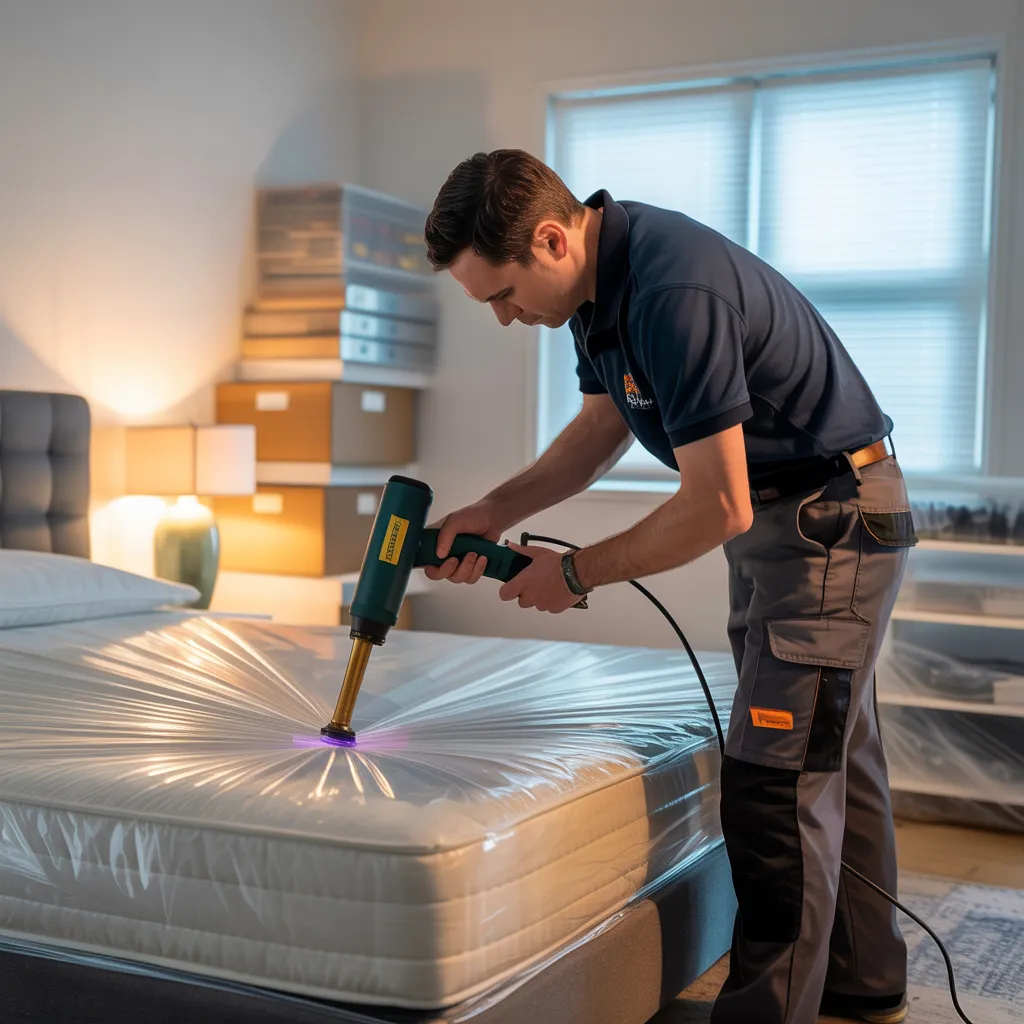
How Heat Treatment Effectively Eliminates Bed Bugs
Heat treatment serves as a powerful method for eliminating bed bugs by elevating the temperature within infested areas to temperatures deadly to these insects. In most cases, temperatures spanning 120°F and 140°F are targeted, successfully eliminating bed bugs in every stage of development, from larvae to fully grown adults. This approach permeates various materials, ensuring that hidden infestations in furniture, carpets, and crevices are addressed.
The procedure commonly employs purpose-built devices that create and move warm air through the infested environment, maintaining the required temperatures for a specific duration. As opposed to pesticide applications, this approach produces no lingering chemical traces, making it a cleaner option for homeowners. Furthermore, it reduces the likelihood of pest resistance developing, a growing concern with conventional pesticides. As a result, heat treatment is increasingly recognized as a thorough solution for those facing bed bug infestations. Its success stems from its capacity to address infestations both directly and comprehensively.
The Life Cycle of Bed Bugs: Key Stages and Implications for Treatment
Understanding the life cycle of bed bugs is vital for efficient pest elimination, as each stage presents unique challenges for control. Bed bugs experience five nymphal stages before reaching adulthood, each requiring a blood meal to develop further. This need for blood consumption makes them susceptible to treatments, yet their resilient nature complicates elimination attempts.
The life cycle begins with eggs, which are miniature, whitish, and arranged in clusters. Upon hatching, nymphs emerge and can rapidly develop into adults within weeks under favorable conditions. Adult bed bugs can live for several months without feeding, enabling them to survive in various environments.
Identifying these stages is essential; treating nymphs and adults concurrently enhances treatment efficacy. Moreover, the ability to reproduce quickly indicates that even a minor infestation can quickly grow, requiring immediate and comprehensive heat treatment approaches to disrupt their development and eliminate infestations effectively.
What Temperature Is Needed to Eliminate Bed Bugs?
To properly get rid of bed bugs, it is important to know the temperatures necessary to eliminate them. Research indicates that temperatures between 118°F and 122°F can efficiently destroy these bugs, but the duration of heat exposure also plays a significant role. Additionally, precautionary measures must be addressed to guarantee a effective outcome without causing harm to the property or surroundings.
Optimal Lethal Temperature Range
Accomplishing successful bed bug eradication requires precise temperature management. Scientific evidence confirms that bed bugs are susceptible to heat, with an effective killing temperature range between 118°F and 122°F (48°C to 50°C). At these temperatures, bed bug adults, nymphs, and eggs can be exterminated quickly. It is critical to maintain this temperature consistently throughout the infested areas to guarantee complete extermination. Temperatures above 122°F can accelerate the elimination process, but vigilance is required to avoid damaging surrounding materials. Recognizing the appropriate temperature parameters is crucial for professionals conducting heat treatments, as it significantly impacts the success of the procedure. Appropriate measuring instruments are often employed to confirm that targeted temperatures are reached and sustained during treatment.
Heat Exposure Duration
Efficient heat treatments for bed bugs depend not only on temperature but also on the duration of contact. Scientific evidence suggests that bed bugs and their eggs demand prolonged exposure to temperatures of at least 120°F (49°C) to achieve successful eradication. A minimum duration of 90 minutes is commonly advised at this temperature to penetrate fabrics and locate hidden insects. Higher temperatures, around 135°F (57°C), can reduce the necessary exposure time, often to about 30 minutes, but careful monitoring is essential to avoid any unintentional damage to the environment being treated. Reaching the right combination of temperature and duration is vital for enhancing the efficiency of heat treatment in eradicating bed bug infestations.
Important Safety Considerations for Treatment
Determining the appropriate temperature for bed bug heat treatment is essential for ensuring safety during the removal process. Scientific evidence suggests that temperatures between 118°F (48°C) and 122°F (50°C) effectively kill bed bugs and their eggs within a couple of hours of sustained exposure. However, attaining these temperatures safely necessitates careful monitoring to prevent excessive heat buildup, which can create hazards to buildings and household possessions. It is imperative to employ specialized equipment and trained professionals to ensure steady temperature distribution throughout the treatment area. In addition, safety precautions must be established to shield inhabitants and household pets from potential harm. Thorough preparation and careful implementation can minimize hazards while achieving complete bed bug extermination through heat treatment.
How Bed Bug Heat Treatment Surpasses Chemical Treatments
Bed bug heat treatment delivers immediate results, effectively eliminating infestations in a single session. Unlike chemical treatments, it creates a chemical-free environment that is more suitable for residents and animals. Furthermore, heat treatment aids in preventing resistance, guaranteeing lasting results against bed bugs.
Swift Results Attained
Heat treatment swiftly eliminates bed bugs, providing immediate results that chemical treatments often cannot match. This method raises the temperature of infested areas to a lethal level, successfully eliminating bed bugs across every life stage, including eggs. Unlike chemical solutions, which may require repeated applications and have variable effectiveness, heat treatment delivers a one-time solution that can be completed within hours. Residents commonly experience a notable decline in bed bug activity directly following the treatment, with a large number of people noting full extermination within days. Additionally, heat treatment reduces the risk of bed bugs developing resistance, a widespread concern connected to chemical-based pesticides. By delivering fast results and sustained performance, heat treatment emerges as the premier option for bed bug elimination.
Advantages of a Chemical-Free Setting
Eliminating bed bugs through heat treatment not only delivers immediate results but also establishes a chemical-free environment, greatly benefiting homeowners. This method minimizes the risk of chemical exposure, making it safer for families, pets, and the environment. As consumers become increasingly aware of the potential health impacts associated with chemical pest control, heat treatment stands out as a preferable alternative. Additionally, it eliminates the need for residents to vacate their homes for extended periods, as is often required with chemical treatments. The absence of harsh chemicals also means no lingering odors or residue, contributing to better indoor air quality. In summary, using heat treatment promotes a healthier living environment, while successfully eliminating bed bugs without the examine guide drawbacks linked to chemical solutions.
Strategies for Preventing Resistance
Many homeowners are increasingly concerned about bed bug resistance to chemical treatments, making heat treatment a more effective alternative. Heat treatment successfully eradicates bed bugs at all life stages by raising temperatures to levels lethal to these pests. Unlike chemical solutions, which can result in growing immunity, heat treatment breaks the life cycle without permitting any adaptations. Additionally, it reaches into different surfaces, guaranteeing complete treatment of affected zones. This method removes any danger of chemical remnants, creating a healthier space for households and animals. By relying on heat rather than chemicals, homeowners can substantially decrease the risk of future outbreaks, as bed bugs are unable to build immunity to extreme heat. Therefore, heat treatment functions as a durable, long-lasting remedy for bed bug infestations.
How to Prepare for Heat Treatment
Planning for heat treatment is an essential step in properly handling a bed bug infestation. Homeowners must take particular measures to confirm the process is successful. Initially, all items in the treatment area should be cleared out or adequately prepared. This includes clothes, bed linens, and personal possessions, which should optimally be cleaned and dried at elevated temperatures.
Furthermore, large pieces of furniture and other substantial items should be pushed away from the walls to enable proper heat circulation. It is important to advise the heat treatment technicians of any sensitive items or areas that may require special attention.
Moreover, pets should be relocated to ensure their safety during the procedure. Lastly, all inhabitants need to exit the space for the necessary time period, so the heat can work effectively. By completing these preparation steps, homeowners can considerably increase the success of the heat-based bed bug elimination process.
What Occurs During a Bed Bug Heat Treatment?
After all required preparations have been made, the heat treatment process gets underway. Technicians employ specialized heaters to gradually raise the temperature of infested areas, typically to a range between 120°F and 140°F. This elevated temperature is vital, as bed bugs and their eggs cannot endure sustained exposure to temperatures this high.
In the course of the treatment, the specialists methodically set up heat sensors to track heat levels throughout the space, guaranteeing uniform heat distribution. This helps to eliminate concealed bed bugs in various locations, including wall voids, mattresses, and furniture.
The whole procedure usually lasts several hours, based on the scale of the affected space. Following the treatment, the room is cooled down, and professionals carry out extensive inspections to confirm the success of the treatment. Subsequently, they often offer recommendations for preventive measures to guarantee that bed bugs do not return. This thorough method seeks to completely remove the infestation efficiently.
Commonly Asked Questions
What Is the Typical Duration of Heat Treatment?
Thermal treatment for bed bugs typically takes six to eight hours to be completed. This timeframe ensures that the heat reaches temperatures fatal to all life stages of the pests within the treated area.
Are Electronics at Risk During Heat Treatment?
Heat treatment poses risks to electronics due to high temperatures. Devices can overheat, leading to malfunctions or permanent damage. Taking preventive measures, including the removal of sensitive electronics, is advisable to reduce the risk of harm throughout the process.
Can Heat Treatment Kill Other Pests Besides Bed Bugs?
Heat treatment can effectively eliminate various pests beyond bed bugs, including fleas, cockroaches, and termites. The intense heat disrupts their life cycles, rendering this approach a comprehensive solution for numerous pest control issues.
How Regularly Should I Plan Heat Treatments for Prevention?
Periodic heat-based treatments for prevention are recommended every 6 to 12 months, based on the degree of risk in the environment. Ongoing monitoring and expert guidance can additionally customize the frequency to individual needs.
Will My Furniture Be Safe During the Heat Treatment Process?
When heat treatment is performed, the majority of furniture remains safe when adequately prepared. Heat levels are closely observed to minimize harm, but sensitive items like electronics or antiques may require special precautions. Seeking expert advice ensures the highest level of safety for all possessions.